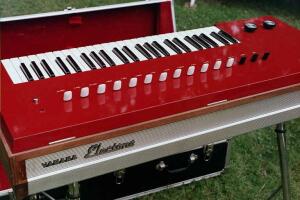
Yamaha A3 Combo Organ (1974) The first instrument is a rather unusual one, the Yamaha A3 Electone combo organ. This was the very first combo organ Yamaha ever made. |
  |
|---|---|
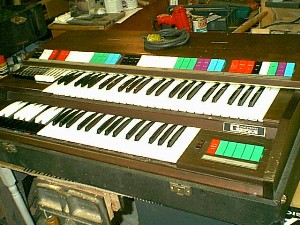
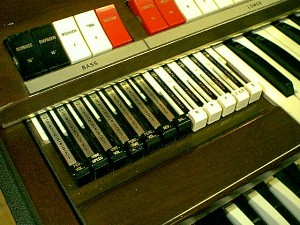
Gem Imperial II (1975) The first organ I bought was an Italien GEM Imperial II. I remember I spent all the money I got from my confirmation on this one. It sounded pretty good for the time, and when connected to a Leslie 760 speaker it sounded even better. These Italian organs had a lot of issues with the contacts under the keys, so I soon learned to open it up to clean the contacts to make it playable. |
  |
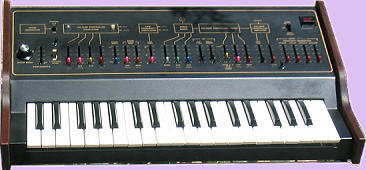
| Arp AXXE (1975) From my point of view, this synthesizer is about the worst thing you could possibly buy for your hard earned money back in the seventies. The one I had was constantly out of tune, and the only thing it was good at was the white and pink noise. It generated a great helicopter sound, bur I can't say it was very useful. Today I can't even remember what happend to it, but I assume I sold it. Or maybe I just did what they should have done at the factory and put it in the garbage can and jumped on it for a while. On the other hand, I guess I would have remembered that. Interestingly, some people seems to like these. |
 |
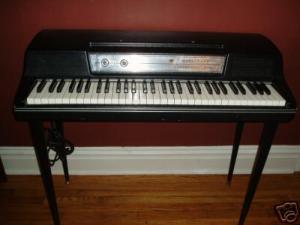
| Wurlitzer 200A (1977) Not much to say about this piano. I have had two of them through the years. The sound is very unique and very useful for 70's style pop music. If your'e not familiar with the sound you should listen to one of my favourite Supertramp albums, Breakfast in America and then you will know. Some great albums just wouldn't been so great without this piano. I sold my first Wurlitzer in 1979 when I needed money to buy a car, then bought another similar piano in 1980. For some reason the first one sounded far better than the later one. I wish I had one today. |
 |
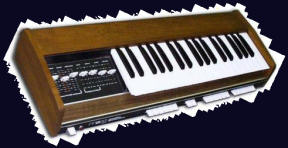
| Moog Sattelite (1977) This was a low budget Moog synth probably made for those who wanted the real thing, but could not afford it. It had 1 oscilator, lots of preset sound tabs, very limited editing, and it sounded like ...... a Moog synth. I found one good preset, ran the signal through a tape delay to make it sound a little wider, and that's about what it oculd be used for. |
 |
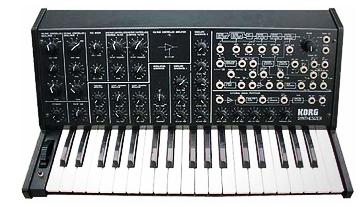
| Korg MS20 (1978) This one was my first "real" synthesizer. I was extremely proud of it, and it sounded really good compared to everything else I had heard. It had an impressive patch panel too that gave the user the opportunity to configure the signal routings in many ways to create new and uniqe sounds. I remember that I had a lot of fun with this one and kept it for many years. I put wood side panels on mine as I think the black plastic looked so cheap compared to the great sound. |
 |
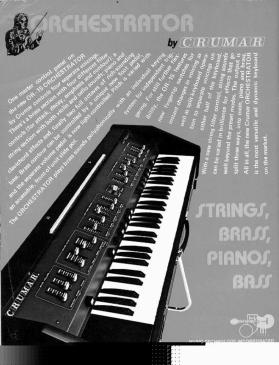
| Crumar Orchestrator (1978) This machine weighted about 25kg and had the most wonderful string sound you could imagine. The brass was very useful too, and I had this keyboard until it started to fall apart after many years on the road. Believe it or not, it was put on a fire together with a Leslie 147 cabinet!!! (Hey, it was in the eighties, and few cared for anything else than the DX7 and D-50) It was a great instrument, and I still miss its velvet like sweet sounding string sound. Oh, and I have not mentioned the piano sounds. It would take a lot of imagination to even think the sound was intended to sound like a piano, that's how good it sounded. But it too was fun. To get a demonstration of this unique instrument check out this youtube video. |
 |
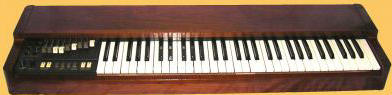
| Korg CX-3 with Leslie 760 (1980) Probably the first really good Hammond Clone. I loved this organ, and for a while I thought it sounded just as good as a real Hammond. I still think this instrument was exceptional for its time. |
 |
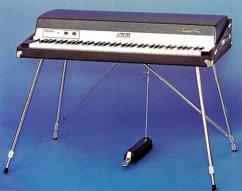
| Rhodes MK1 73 (1980) To go from my Wurlitzer to the Rhodes piano was like entering a completely new world. I used this piano for years, and it could sound like the sweetest thing you ever heard to a real beasty distorted piano. I had a preamp built for it and also used a Roland Chorus pedal and an external EQ, which gave this instrument an up to date sound in the eighties. |
 |
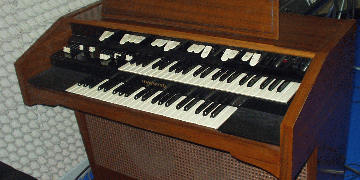
Hammond L-100 with Leslie 122 (1982) My first real Hammond organ was a rather small, but heavy L100. It was a door opener into the Hammond world. Never the less, it did not stay for long since I soon found out that there were even better Hammond organs out there. |
 |
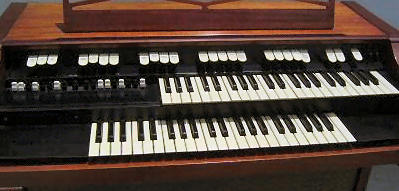
| Hammond M-100 with Leslie 147 (1982) My next organ brought me both the nicer percussion and the scan vibrato similar to the big B3 organs, but it still had the short 44 key manuals. I bought this organ from Kenny Aas, the organ player in the famous Norwegian band Titanic. When I bought it, it was cut and painted like a Norwegian flag in red, white and blue. It sounded extremely nice, and you can actually listen to it on Youtube. I was told that this organ had been used by Keith Emerson on a jam session in Paris. I later restored the it and the Leslie speaker, and one of my new and modified Leslie speaker cabinets has the guts from this Leslie. To buy this organ I spent most of the money that should have been used for food when I studied. That sure helped me staying slim and very happy those years. |
 |
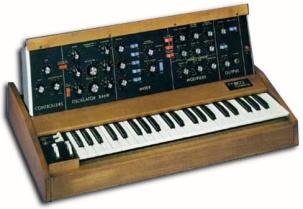
| Moog Minimoog (1983) My Minimoog was a very early model with only two adjustment pot meters for each oscilator. It was of course constantly out of tune. I had it serviced again and again, but finally gave it up and decided to let the bass player use it as a bass synth, which it did great. When that is said, the filters and sound was way nice, but it required constant temperature to be playable. Even with these issues I wish I never had sold this one in the mid eighties for about $150. Can you believe the buyer even tried to negotioate that price. That was times! |
 |
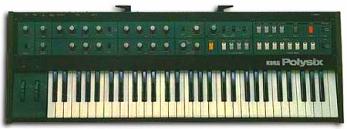
| Korg PolySix (1983) This was my first polyfonic preset synthesizer, and to tell the truth, I just could not get used to it. I did not like the limitations that much, and as a result it did not stay very long. I know many keyboard players who even today have the PolySix as one of their favourite synthesizers from this era. One thing is for sure, it was good value for the money. |
 |
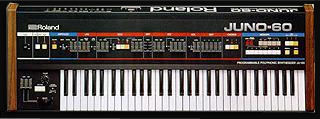
Roland Juno 60 (1983) My first Roland ever was the Juno 60. It was an awesome synth, but kind of limited, so not what I was looking for. I did not keep it for a very long time, but as long as I kept it I had a great time tweaking the knobs making warm and nice sounds. |
 |
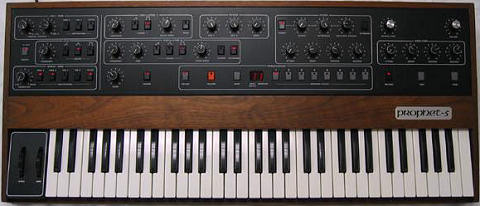
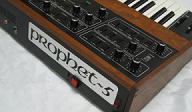
| Sequential Prophet-5, rev2, #1000-1160 (1983) Sweet love of my life, this is the best thing that ever happend to me when it comes to analog synthesizers. It had the most incredible sound you can imagine, and I felt like I was in heaven when I played it. So fun, so sweet. Also very expensive.... This machine was totally hand built, and looking inside it was just like to see a piece of enginering history, with all the circuit boards factory modified, and lots of green straps crossing from one point to another. Except for one small incident, this machine was stable as a Ford Truck and served me well all the years I owned it. I still hate myself for selling it when I needed money to buy some new and fancy gear in 1992. How dumb can one get? Today they are impossible to find and if they show up for sale they are too expensive for me. |
  |
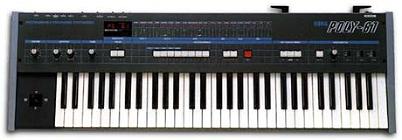
| Korg Poly 61 (1983) I still can't remember what brought this one into my life, (it must have been a summer sale or something). On the other hand I clearly remember why it was sold; It was a cheezy cheap piece of junk compared to my Prophet-5...... |
 |
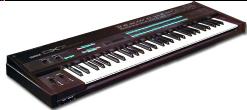
Yamaha DX7 (1983) |
 |
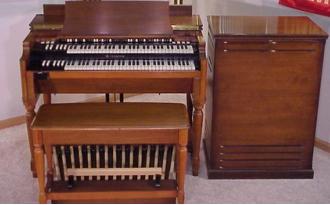
1974 Hammond B3 / 2 x Leslie 147 (1984) Most people thought I had lost my mind totally when I bought this huge organ at the same time most musicians thougt that organs were the most outdated instrument you could possible find. I don't have numbers on how many times I were asked why I bothered about this heavy useless B3 all the time a DX7 or any other modern synth could do the same job. That was untill they heard it. |
 |
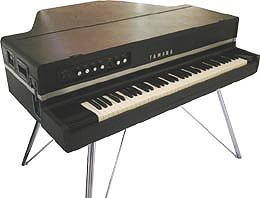
| Yamaha CP-70 Grand Piano (1984) HEAVY!!! I have often thought that this piano might have been one of the reasons for the back problems I got later :) You could split it into two pieces when transported, but it still was heavy compared to a Rhodes with its 331 Lbs. In their brochures, Yamaha claimed their electric grand pianos were "compact" and "portable". I used this on the road for about a year and can't say I agree with them. Finally it was parked in my living room. I loved the sound, the action and the super build quality. I should have kept this one, but as they say, you just can't keep them all. |
  |
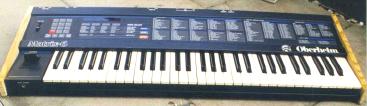
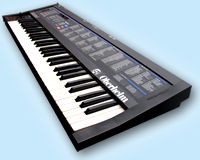
| Oberheim Matrix-6 (1985) Bought it with intention to replace my Prophet-5, but man, what a dissapointment. I tried for some time to figure out what it could be used for but sold it long before I managed to figure out. I still wonder what the that "key release" function was good for. Most people would desire to be run over by a train rather than to be forced to edit sounds on this insane analog monster as I think it brought user un-friendly interface to a new level. |
  |
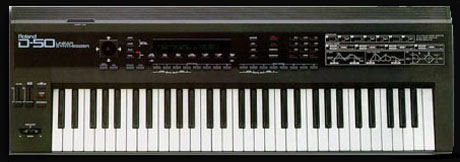
| Roland D-50 (1987) Believe it or not, this is the synth I really did not want to buy, but the guys in the band pushed me to buy it because they wanted to hear the "modern" sounds that used to be so popular in the late eighties. Surprisingly, I liked it after a while and I still like the sound the D-50 generates. I sold my keyboard version after a couple of years, but missed it so much that I soon bought a Roland D-550 sound module, which I kept until 2015. |
 |
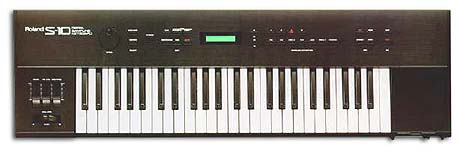
| Yamaha EMT-10 (1988) Since I sold my CP-70 piano I needed something in on stage that at least could make the impression of an accoustic piano. This little box did exactly that, and it also gave me a useable choir. But the best thing was that it was way easier to carry around than my old piano. (330 Lbs less to be accurate) |
 |
|
 |
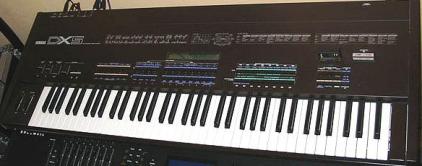
| Yamaha DX-5 (1988) Was the DX-5 cool or was it incredibly cool? What could possibly be better in the eighties than a DX-7? Of course two of them in one great 76 keys package. Everything that was great in the DX-7 came out even better from this machine. I loved it. The only thing I did not like was a constant "hiss-sound", but I guess I was the only one that really noticed it. Oh, and the weight . . . It was HEAVY! |
 |
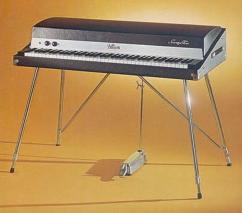
| Fender Rhodes MK1, 73 (1989) My second Rhodes was an earlier model than my first. It looked brand new, and I never took it on the road. I remember I did not like the action at all and ended up selling it when I needed the money to buy a sampler.. Too bad really, this would have been a great collectors item today. More about Fender Rhodes |
 |
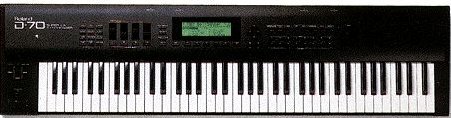
| Roland D-70 (1989) This machine became to me the same as a hammer and a saw would be for a carpenter. It had a great programable MIDI master controller, and had some rather fat pad and strings sounds inboard. The organs and piano sounded mostly bad or worse. There was one strange thing about it, when you hit the keys you had to wait a few milliseconds before you could expect to hear a sound. An e-prom with a new oprative system reduced it somewhat, but for midi signals the latency was still noticeable. After a while I got used to it, but the guys in the band did not like it as much as I did. |
 |
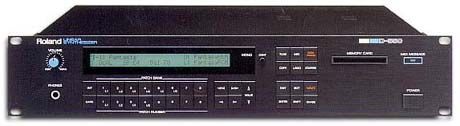
| Roland D-550 (1989) This one replaced my D-50, not much more to tell about it. The fact that it still is in my rig today (2008) should prove that this machine is both solid built and that the sounds lasts forever. One funny thing is there to tell about it; I sold this one when I gave up live music, and later when I decided to buy one again I found one for sale on the net, so I bought it unseen. Believe my face when I opened the package and found my old D-550 in the box. Even the sounds I made years earlier were present. |
 |
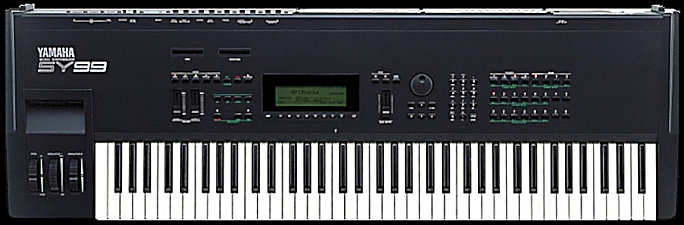
Yamaha SY-99 (1991) This is the synth that made me decide to replace my |
 |
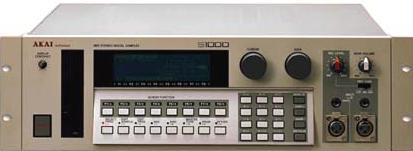
Akai S-1000 HD (1992) I sold my Prophet 5 Rev2 to buy this. I still want to slap my face for my stupidity. |
 |
Yamaha TG-500 (1993) Had it one week and sent it back to the Yamaha dealer. Needless to say; I did not like it at all. |
 |
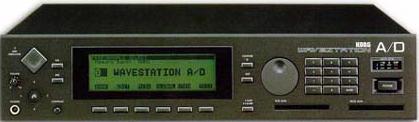
Korg Wavestation AD (1993) |
 |
EMU Vintage keys (1993) |
 |
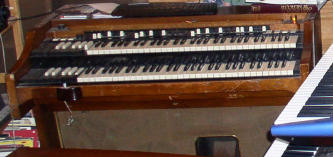
| 1964 Hammond A-100 (1994) I originally bought this organ to have something to use on the road so my nice B3 could stay at home. Since an organ on the road easy get scratches and get beaten up, I found that I just as well could buy one that looked a little rough, and ended up buying this 1964 A-100. Anyway, even if it looks rough, the sound is the best (and a little more). This is the organ that never will be for sale as long as I live. I love everything about it, and to me it is very special. I am not sure what makes the sound so good, it is just there. It screems, grooves and it's soft as velvet at the same time. The percussion and key klick is just where you want it. MY TRUE LOVE You can listen to me playing this organ on Youtube. (I am not acting on the video as I had quit the band when it was made) |
 |
| 1995 - 2002, Pause in playing. I sold most everything I had and spent the money on cars and my home. The only thing I kept was my A-100 and the Leslie 147 cabinets. | ----------------------- NOT MUCH --------------- |
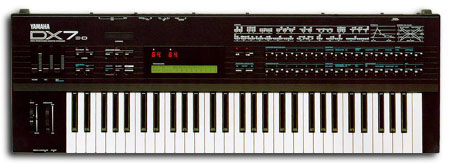
| Yamaha DX7-II (2002) I really did not own this, it belonged to a band I joined for a while, and they told me I could take it. It did not sound as good as I remember the DX series sounded, so I guess something was wrong with it. I left it behind when I quit the band, as I guess it would have bee too expensive to have it fixed. |
 |
Korg 03R/w (2003) Antoher bread and butter synth that I bought becasue it was cheap. Kept it for a short while and sold it again. Paid €100, sold it for about the same. It is actually value for the money. I guess it was cool when it was new? |
 |
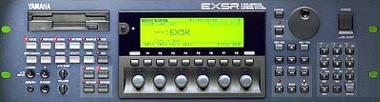
| Yamaha EX-5R (2003) OK, I had read a lot about this thing and seen so many keyboard players use it, so I just had to get one. I found this one used on eBay. It had all the memory upgrade and SCSI interface. It sounds good and will probably last forever like most Yamaha equipment. I still have it, but don't use it much anymore. |
 |
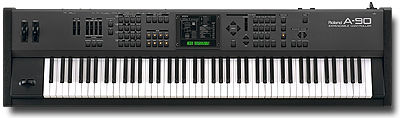
Roland A-90 EX (2003) This thing had the nicest weighet piano keys I could find at the time. It was also a great MIDI master controller. With the VE-RD1 expansion card this gave me very good piano and synth sounds too. A great machine that I loved to play for some years. I sold it just because I wanted something new, not because I needed something better. |
 |
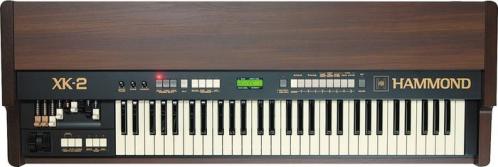
Hammond-Suzuki XK-2 (2003) Nice keys, but somewhat too soft organ like sound. Also the Leslie simulation stinks and it's able to ruin the sound totally if used. Plugged into a Leslie it will sound OK, but not more than that. My experiences from live situations is that the sound does not cut through at all. After a while I decided not to mess with it anymore, and it found a new home where someone hopefully wasn't as spoiled on quality organ sound as I am.. |
 |
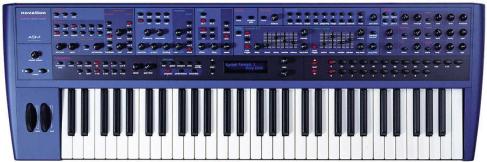
Novation Supernova II (2003) |
 |
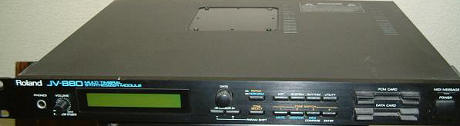
Roland JV-880 (2004) |
 |
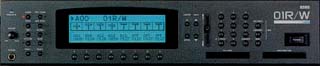
Korg 01R/W (2004) |
 |
| Oberheim Matrix 1000 (2004) One simple word describes this box well; Boring. Fat analog sounds, no effects, and with a hopeless user interface. Thats it. I know a lot of people who liked it, but I just cant't help compare it with the Prophet-5, and that is probably why it does not reach up in the competition. |
 |
Yamaha Motif Rack. (2004) |
 |
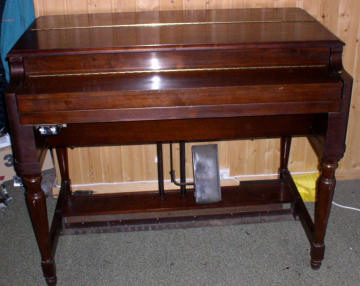
| Hammond BC (2004) It has a beautiful cabinet, and the plan is to put the A-100 components into it. Then my A-100 will look just as great as it sounds. Untill then it will rest as it is 110 Volt 60hz, and cant be used here on our 220Volt 50Hz power system. |
 |
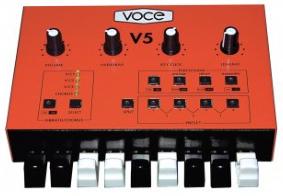
Voce V5 (2004) |
 |
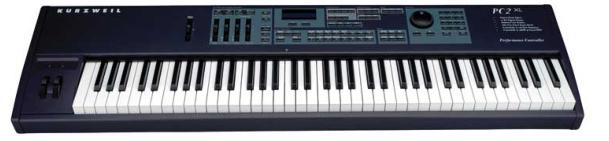
Kurzweil PC2x (2006) |
 |
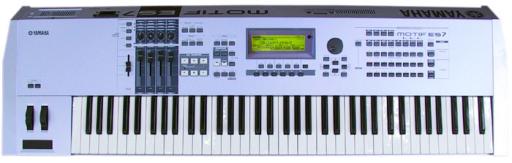
Yamaha Motif ES7 (2006) I installed all the sample memory it can take (512Mb). |
 |
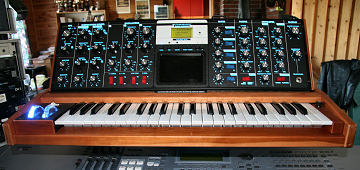
Moog Voyager "Electric Blue" (2006) Now, this is what I call a nice piece! Just as I thought I had all the keyboard gear I wanted, a friend of mine bought one of these. Of course I had to take it for a test drive, and I was in love. Luckily I found this one for sale at a pawn shop in San Francisco, and it was reasonable priced. It just had to come home to Norway with me. |
 |
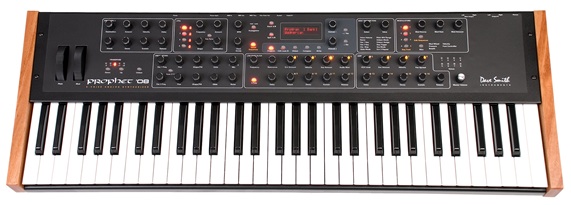
Dave Smith Instrument (2008) |
 |
| Yamaha Motif Rack ES (2008) I just found that I missed some of the sounds I had become used to in my Motif 7 ES, and bought this one very cheap on eBay. It does exactly what it is supposed to and I am happy with it. |
 |
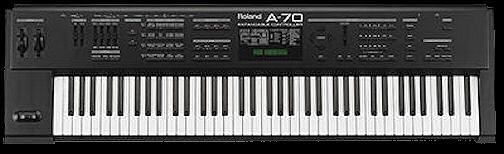
| Roland A-70 (2007) Now this is back to old days I guess. I bought it in Florida for not so much. Even if it's 10 years old it looks brand new. The sounds are kind of obsolete, but the master keyboard function and the feel of the keys are first class even today. Anyway, I decided to let it go and sold it in the fall of 2008. More inforamation here |
 |
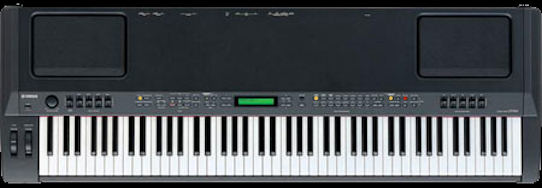
| Yamaha CP-300 Stage piano (2008) I have always loved the key feel that you can find on Yamaha instruments. It has a really good piano feel and sound, and it also offers some other nice sounds. I sold it in the fall 2009 because I started to play live again, and needed something not so heavy. Anyway, I missed it so much that I bought another one after a couple of weeks. Factory information on the CP-300 |
 |
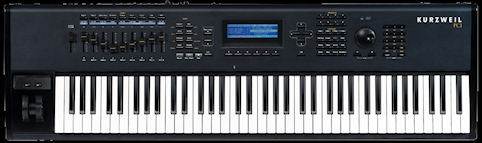
| Kurzweil PC3 (2008) The PC3 has a great synth engine, and can do almost anything. On the other hand, it was a steep learning curve to find out how to take advantage of all the power. The internal sounds cut through in a great way, but the factory sounds needed some adjustments to sound as good as I expected. I guess it's a matter of taste and play style. It has probably the best string sounds on the market. It also offers the KB3 organ simulator with real time drawbars. Unfortunately the organ sound is dated and not very good. Factory information on PC3 |
 |
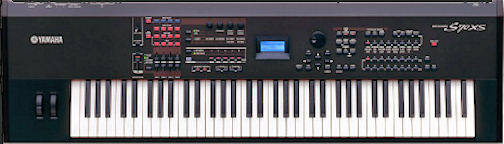
| Yamaha S70XS (2009) For years I have wondered if I was the only keyboard player that wanted a really good sounding synthesizer, an acoustic piano sound and 76 piano weighted keys all in the same package. Finally Yamaha made an answer to my dreams, the S70XS. It was fun to play and it had lots of nice sounds. Unfortunately I could not get used to the key action and the strange S6 piano samples so I replaced it with a Yamaha CP50 in 2011. More information on Yamaha web site |
 |
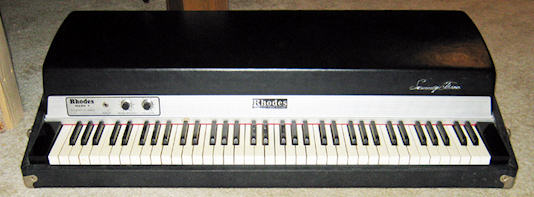
| 1976 Rhodes 73 Mark1 (2009) I found a really nice and clean Rhodes piano for sale that has been very little (if at all) on the road. It sounded really warm and nice, but the key action was not as good as I remembered my 79 Rhodes had. I made a lot of investigations on the internet to find out how to improve it, and ended up doing several modifications using parts from Vintage Vibe . Now it looks, plays and sounds first class. Maybe because I am stupid I sold it in the spring 2010 |
 |
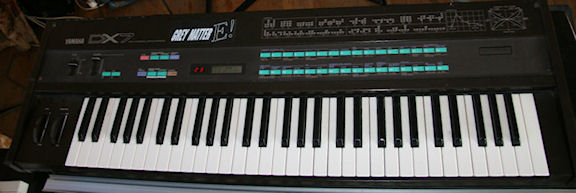
| Yamaha DX7 (2010) Holy cow, I am once again an owner of a first generation Yamaha DX7, this time a mint condition synth with the Grey Matter E memory expansion kit. I got it for free from a friend of mine that had it stored in its flightcase for ages. I have also installed a new display with back light on it, so this one is really a nice and unique DX7. I don't play it much, but when I do I get this good 80's feel and remember all the fun I had back then. This synth is 30 years old this year 2013, and it still looks and works like new. |
 |
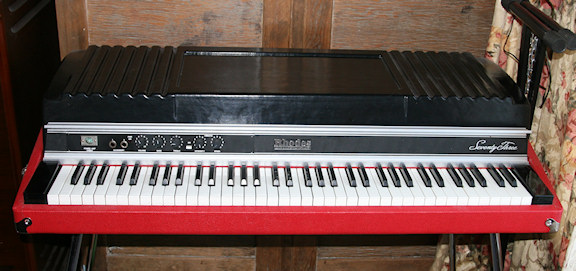
1980 Rhodes 73 MkII (2010) Best year Rhodes in my opinion. These pianos offer great action and tone and they are worth restoring. As you can see I have put on new red tolex and I have also installed an original Janus stereo tremolo and preamp. I gave it a full restoration with all the parts available from Vintage Vibe. I will keep this one for myself. |
 |
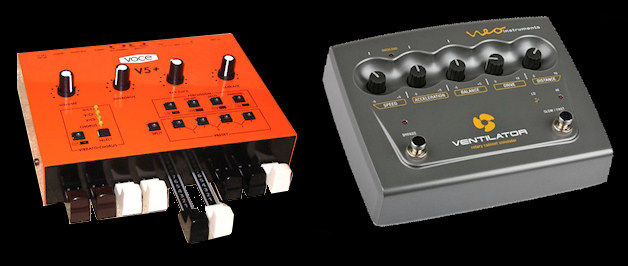
| Voce V5+ and Neo Ventilator. (2011) The V5+ and the Neo Ventilator is a good light weight combination that gives me a very authentic Hammond Organ sound. |
 |
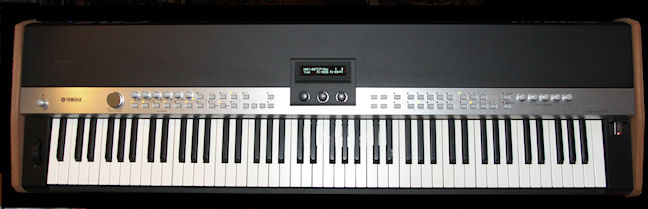
| Yamaha CP-5 Piano In the summer 2011 I quit the band I was playing with and decided to get something with a more realistic piano feel. The S70XS was sold to a friend of mine and the money used to buy this one. If you look close at the piano you will probably notice the custom Mahogny side panels I made for it as the factory black MDF panels did not do it for me. I love this piano and even if there is a newer model out there named CP4, I don't think I would trade this for it as the key action on this one suits me so well. Time will show. |
 |
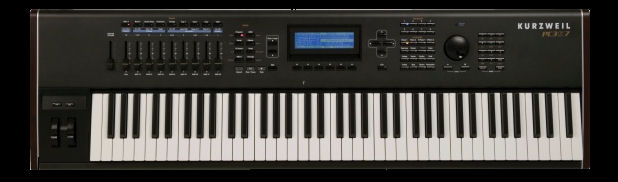
Kurzweil PC3K7 - 2012 w KORE 64 expansion. This PC3K7 is pretty much the same as the PC3 I've had a few years. That is with one important exception, the K series has flash memory so samples can be loaded so the libraries for the older K series Kurzweil synths can be used. It is a good synth now made even better. Another + is the real wood side panels and that they changed the color from dark blue to black. I love this machine. |
 |
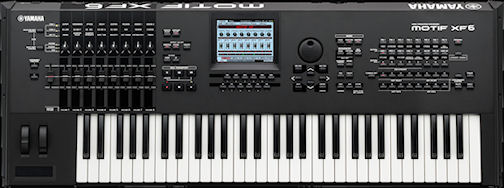
| Yamaha Motif XF6 Bought it dirt cheap brand new on eBay 2012. I think it is a great synth, but found nothing there I really could not live without. In fact I needed money more than one more synth hardly being used so I sold it dirt cheap to someone who needed it more than I did. . . |
 |
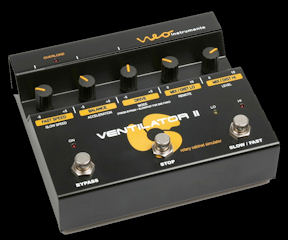
| Ventilator II - 2014 Not a big thing, I just had a friend who wanted my Ventilator I for his organ, and since I was not using it at the moment I sold it to him. Later when I started to miss it the Ventilator II had just ben put out on the market, so naturally I decided to go for it. I love it and in my opinion it is the best Leslie Simulator available out there. Advantage over the Ventilator i is the stop switch, which is somethign I dont use often, but when I need it, it is nice. |
 |
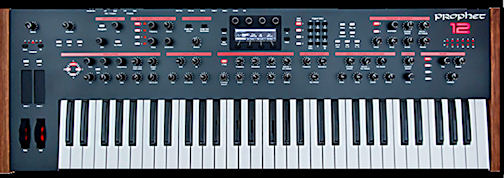
| Dave Smith Instruments - Prophet 12 - 2014 This one I liked a lot. easy to use, intuitive, good looking, good build quality. Sounds really good, but factory prests are not the best. Sold Januar 2015 just because I needed the money to pay for the next one below. Wish I could have kept it. |
 |
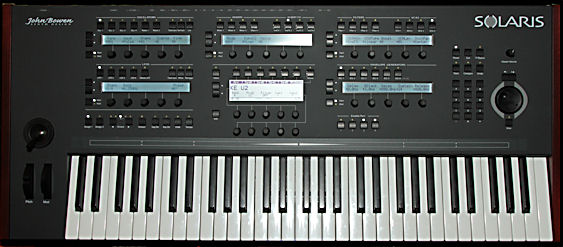
John Bowen Solaris - Januar 2015 |
 |
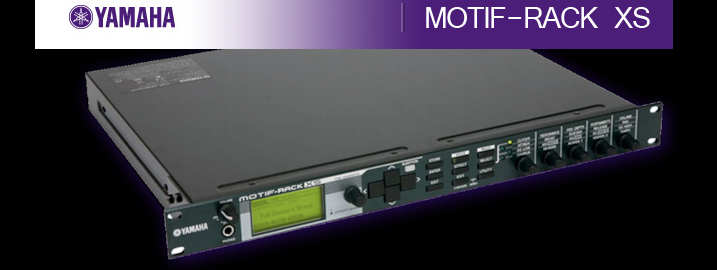
| Motif Rack XS - July 2015 Found this for sale locally at a very good price, so I found no reason not to grab it. The Motif XS is in many ways the same as the ES I already have, so I sold the ES. These modules has pretty much bred and butter type sounds, but they sounds really good, even if they are a few years old. I like the user inteface on this one much better than the older Motif Rack modules. |
 |
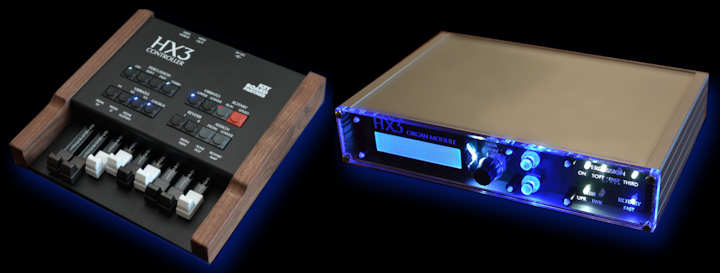
| Keyboardpartner HX3 - December 2015 I had been following the developement of the HX3 Hammond organ simulator for a while, but decided to wait and see if they came with a version more suited for live performance. Finally in December 2015 the new HX3 drawbar controller was released, and the most powerful clone wheel organ became a reality. So I sold my Voce V5+ and the Ventilator II to get the money to buy the HX3. This thing sounds so realistic, so cemplex and so real that it is hard to believe. If you, like me, relly like the sound of a good Hammond B3, this thing will for sure to the job. Check out www.mafy.se for more information. |
 |
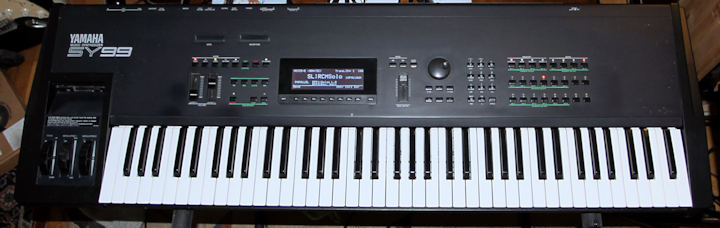
| Yamaha SY99, January 2016 It is hard to believe, but this is the very Yamaha SY99 that I bought when it was brand new back in 1991 and that Itoured with a lot. I got it back in exchange for a Yamaha FC7 volume pedal, so the deal was pretty good. The condition was not as good, so I gave it a total restoration with new micro switches, some new parts inside, a new display and then 6 new keys. Also the side plastic panels were broken and held together with tape, so they were fixed as well. Now it looks almost better than new, and the sound is still as great as I remember it. |
 |
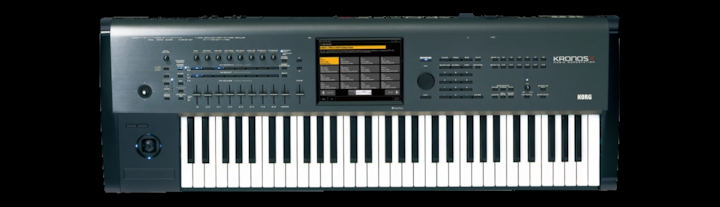
| Korg Kronos-X 61, March, 2016 I have a friend who bought a new Kronos when it arrived a few years ago and ever since then he have been pushing me to get one. So I finally gave after when I found this used Kronos-X for sale at a reasonable price. It turned out that I liked a lot about it, but not the keys. The idea behind the instrument is really good, and it has a lot of good sound and vast possibilities. Anyway, I decided to sell it rather fast just to stay on the fence and see if something else showed up. |
 |
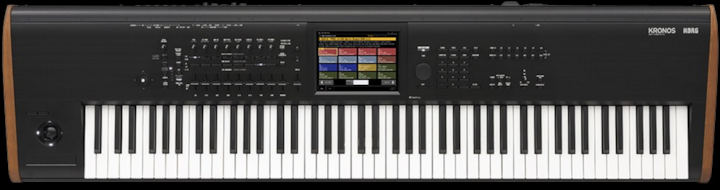
| Korg Kronos 2 88, May 2016 A big beast for sure. Thought at first it would be my main instruement for a long time, but just could not get used to the key action and piano sounds. Decided to get it out of my life after a few months. |
 |
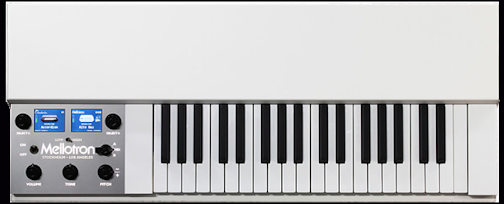
| Mellotron M4000D I have always wanted a Mellotron. But a real one was just not within reach, so then the second best is still a great option. It sound absolutely stunning. |
 |
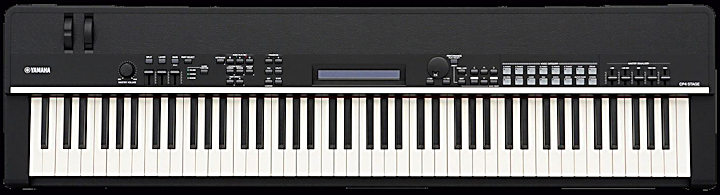
| Yamaha CP4 Piano Sold my CP5 and bought this one. Easier to carry, that's the good thing about it. Action is great. Sounds excellent of course. It is Yamaha. |
 |
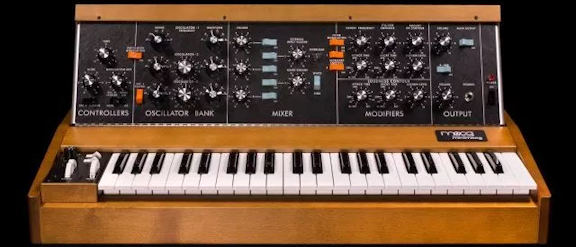
| Moog Minimoog Reissue. Just had to have it. Sounds sweet, nice build quality. I love the new extras compared to the older ones as well. |
 |
| Solina String is one of the most iconic keyboard instruments from the 70's you can find. This one came up for sale locally and I just could not resist it. It is in really good shape and sounds absolutely fantastic. |  |
| Yamaha Motif XF61.... again | |
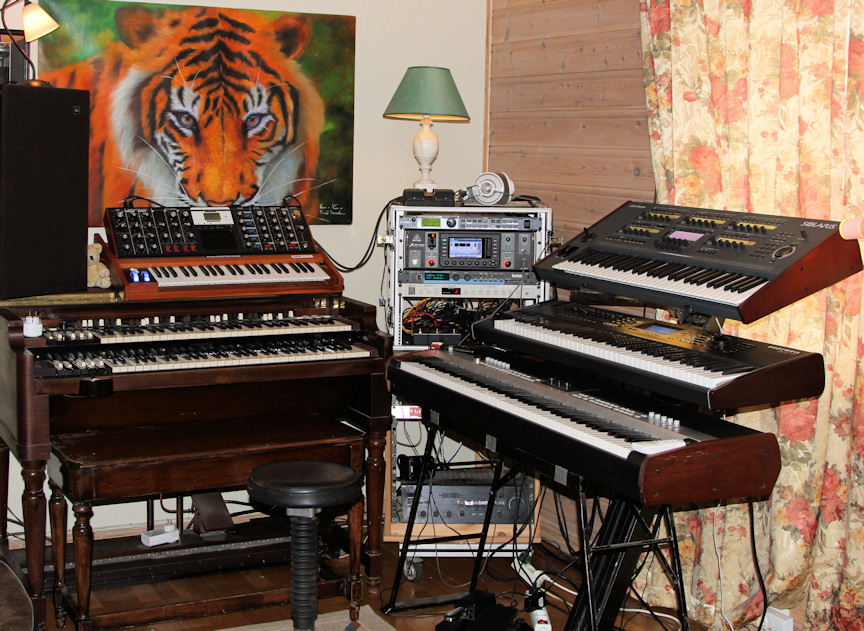
Current Toys:
|
 |